
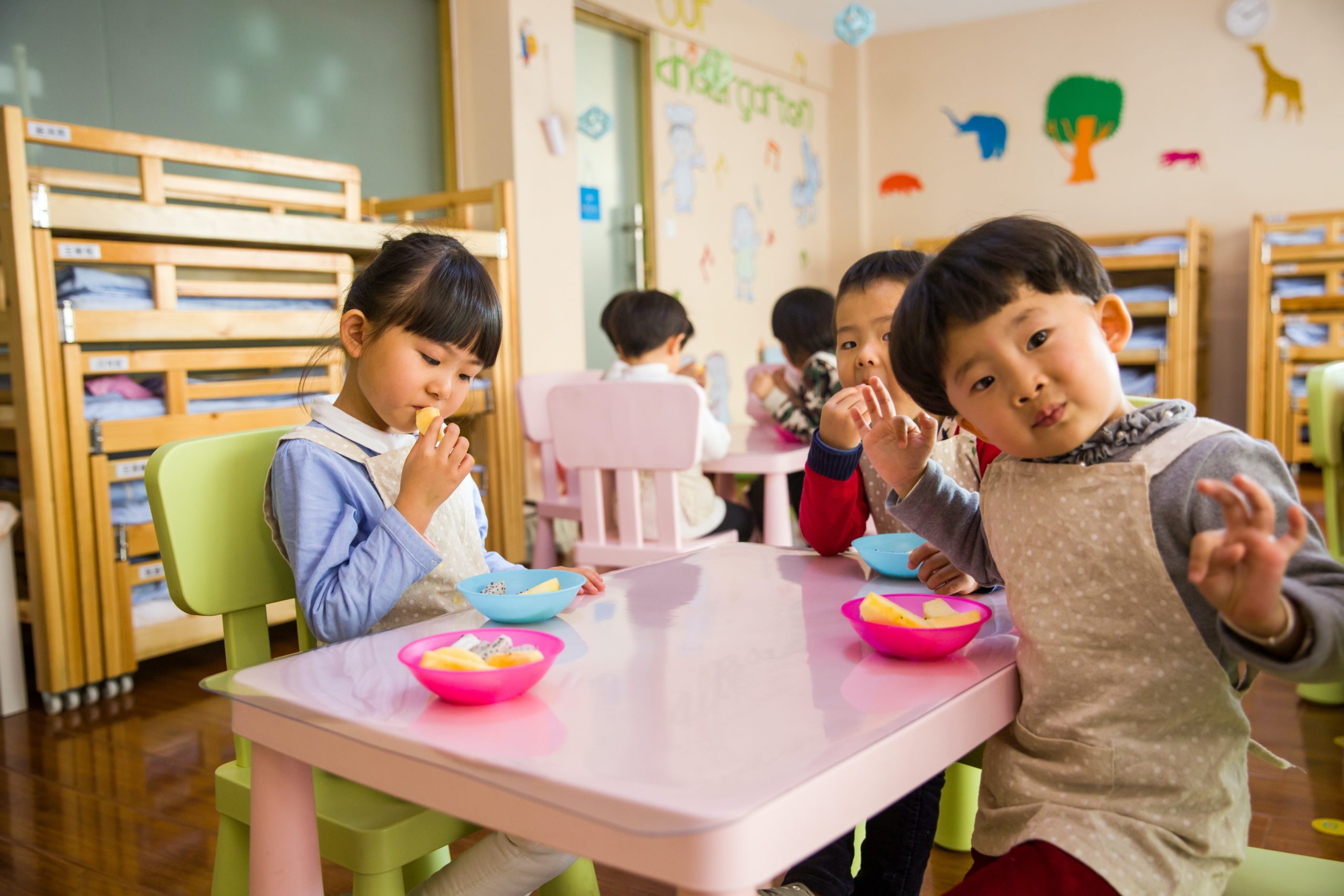
Up to 50% of people in Japan born after 1995 don’t want babies, according to a recent survey.
Known in marketing terms as Generation Z or ‘neo mille‘ (as in younger millennials), these under-30s are causing a concern for those with their hands on the economic steering wheel.
Without more babies, the country is doomed, apparently, and much of this is the fault of these reluctant baby-makers.
Yes, yet more shocking news that young people are just plain crap.
In one more dribble of asinine reporting, TV Asahi picked up the report providing this shocking news without outlining enough detail to provide worthy discussion, but the basic point was ‘panic’, as it always is.
It seems to be the line in Japan that women should be having more babies, why aren’t they having more babies and what can we do to make them have more babies?
It’s a favourite retort of Japan’s borderline geriatric male politicians, many of whom should have long-ago be put out to pasture. (Among the 20 cabinet ministers at present, only two are under 60, three are over 70, with the oldest, Tetsuro Nomura, 80 this year, and only two are women).
And while there are lots of answers to these questions provided from various quarters, the problem is not unique to this island nation. The same points are repeated across the rich-world. In the U.S.A. young people also seem reluctant to become parents. In the U.K. ditto.
Sensible explanations centre around economic difficulties and anxieties over future security, both financially and environmentally, while the more reactionary analysis vomits up the tiresome labels about young people being self-centred, SNS-fixated amoebas.
The shortage of people being born obviously causes an imbalance in demographics and a strain on the finances as the ageing population retires from the workforce and then needs supporting. I think most people understand this, but does that make it incumbent upon young people to start having more children?
The trend away from early and lots of babies is common among developed countries where women have begun to have more rights. And in Japan it seems these more empowered women do not want to all be stuck at home churning out the next generation, despite the insistence by some elderly (male) Japanese parliamentarians that this is their duty. (Among these wise old men is former Prime Minister Yoshihide Suga, but there have been plenty of others: Witness also Hakuo Yanagisawa embarrassing himself, Taro Aso attempting to out do him, and Yoshitaka Sakurada have a crack at it.)
If only the politicians were more ashamed of Japan’s gender equality rankings than at the perceived weakness of its youth, or its ‘unpatriotic’ females declining the role of the nation’s baby-machines.
The country presently ranks 116 from 146 in the Global Gender Gap index – below neighbours South Korea (99) and China (102). In fact, Japan is the worst for gender equality in the whole of East Asia, including Malaysia (103), Indonesia (92), Thailand (79), Vietnam (83) and Singapore (49), and it’s only 11 places above Saudi Arabia (127), which as we know only recently allowed women to drive.
In the arena of politics, Japan looks even worse and ranks a humiliating 139th (out of 146). So, women in Japan should have more babies Mr Suga? I guess you certainly wouldn’t want to be working alongside them.
But I digress. Forget blame. Here’s another problem: the world refugee crisis. There are presently around 33 million international refugees in need of a secure home. Half of these are children. At present, Turkey takes more refugees than any other country. It has 3,696,831 (as of March 1, 2023). In fact, low- and middle-income countries take 85% of the world’s refugees. Japan takes a mere 1,132. Where is this discussion? It may be a short-term, perhaps a generational fix, but allowing more refugees to make a life in Japan has to be a more moral and pro-active stance than simply finger-pointing at one weaker demographic (the ‘Gen Z’ or women), while totally ignoring another weaker demographic, the innocent people displaced by war and other tragedies.
Japan can do better, surely (and no, I do not exempt my country of birth from this accusation either, by the way. The U.K. has shown its own xenophobic tendencies far too regularly in the past few years).
Actually, ‘could do better’ may also lead to a ‘would do better’. On the whole, refugees are known, by the less election-driven analysts, to provide more to a country’s economy than they ever take. They help boost economic activity, raise wages, they start new businesses, and they pay lots of tax, for a start. Of course, I would personally point out that the cultural diversity that immigrants bring is a major benefit too, but I don’t want to terrify the xenophobes out there, so we’ll leave that aside for now.
Regrettably, this discussion of accepting more refugees rarely seriously takes place in Japan. The sakoku brigade still seem to reign supreme and only recently showed their delight for repelling foreigners from the gates when they implemented draconian laws to protect against COVID-19 infection by stopping foreigners entering the country – even those who had residency and had been out of the country as the epidemic unfolded were refused (re-)entry. The measures were made with wide-spread support, depressingly, and had a cruel impact on families that were split apart until the laws were eventually relaxed (under intense pressure from the business sector). So, what hope from these shores for a desperate child forced out of his or her own war-torn country and in need of a safe haven?
One day, one can hope, Japan accepts it’s the 21st century and the shogunate no longer exists, that old people do not have all the best ideas, and that being part of the international community is not just about opening Starbucks, sending an occasional baseball player to the U.S. and drinking Black Label whiskey. Japan, open those gates a bit wider, please – it’ll do you good.

